CALL FOR PAPERS
Students and Doctoral Students International Interdisciplinary Conference
Thinking Food: The Functions of Food in the US American Culture and Society
American Studies Center, University of Warsaw
May 16-17, 2014
Polskie Towarzystwo Studiów Amerykanistycznych
CALL FOR PAPERS
Students and Doctoral Students International Interdisciplinary Conference
American Studies Center, University of Warsaw
May 16-17, 2014
International Conference
American Studies Center, Warsaw University
November 22-23, 2013 in Warsaw, Poland
Deconstructing The Kennedy Mystique â Jfk As A Cultural Phenomenon
Call for Papers
Fifth Biennial European Early American Studies (EEASA) Conference
Lublin, Poland, 11-13 December 2014
Persuasive communication has been at the heart of much of Western social and political development. It played a crucial role in the early promotion of colonization, struggle for independence, campaigns for the recognition of independence by European powers, the making of the constitutions, laying foundations of the new states, justifying or repudiating slavery, and building and manipulating alliances with Native Americans. Several decades of scholarship have elucidated the dynamics of authorship, publishing and reading in the Americas and the Atlantic world as forms of public relation practice in the pre-mass media world. Meanwhile, numerous studies of public opinion have built upon and responded to JĂźrgen Habermasâ thesis about the transformation of the public sphere in the eighteenth century. These two strands of scholarship have often intersected, and in both areas the scholars have insisted on the need to move beyond the reified notions of âprint cultureâ and the âpublic sphereâ to consider the interaction of oral, scribal, printed and behavioral forms of socially and politically motivated communication.
The 2014 EEASA Conference will provide an opportunity to present fresh and more nuanced insights on how political communication actually worked in the Americas and the Atlantic world. What strategies of communication and modes of persuasion and protest did people develop and with what goals? What constraints â technical, geographic, legal, or cultural â help to explain the adoption of certain forms of expression and the content of the messages? How did the meaning and significance of words and images evolve as they travelled from place to place? How were persuasion and protest articulated in non-verbal forms, such as gesture, symbol, image, and performance? What political consequences â intended or unintended â resulted from the way people used speech, writing, print, and group action in early America and the Atlantic world?
The following list contains some potential topics to be addressed:
– the evolution of the forms and genres of persuasion, protest, reconciliation, and cooperation (speeches, sermons, newspaper articles, pamphlets, broadsides, songs, slogans, poems, engravings, etc.);
– the interaction of words and images in political communication;
– the migration of texts from spoken to written (or printed) and vice versa;
– the migration, re-uses and transformation of concepts, images, music and sounds from other colonies and Europe as well as foreign language texts in political culture
– the role of translators and interpreters;
– censorship and other forms of restraint on speech and writing;
– the use of the body through performance, gesture, or dress to communicate messages;
– group protest tactics: petitions, marches, town and country meetings, activist organizations, etc.
Please send your proposal to EEASA2014@googlemail.com by 30 September 2013.
The host of the 2014 Conference is the Department of English at Maria Curie-Sklodowska University (UMCS) in Lublin, Poland. UMCS, established in 1944, is the biggest university in eastern Poland with 25.000 students. The conference venue will be the Faculty of Arts.
Dnia 4 kwietnia 2013 r.
Szanowna Pani Minister!
My, niĹźej podpisani amerykaniĹci z róşnych oĹrodkĂłw akademickich w Polsce, zwracamy siÄ do Pani Minister w formie listu otwartego, chcÄ c w ten sposĂłb wyraziÄ nasz niepokĂłj wynikajÄ cy z wydarzeĹ, ktĂłre miaĹy miejsce w ostatnim czasie na kilku polskich uczelniach. Wydarzenia te ĹwiadczÄ o dÄ Ĺźeniu Ĺrodowisk ultraprawicowych do zawĹaszczenia przestrzeni akademickiej oraz dyktowania norm, zasad i treĹci zarĂłwno debat publicznych, jak i wypowiedzi prywatnych osĂłb, tworzÄ cych Ĺrodowisko intelektualne i naukowe w Polsce.
Jednak niepokĂłj budzÄ nie tylko same wydarzenia, ale teĹź skutecznoĹÄ takich dziaĹaĹ. Za pomocÄ róşnego rodzaju form nacisku (takich jak zakĹĂłcanie porzÄ dku na uczelni, anonimowe listy czy tendencyjna interpretacja wypowiedzi) Ĺrodowiskom o poglÄ dach skrajnie prawicowych udaĹo siÄ juĹź w tym roku zakĹĂłciÄ wykĹad prof. Magdaleny Ĺrody (wdarcie siÄ zamaskowanej grupy do budynku UW), nie dopuĹciÄ do wygĹoszenia wykĹadu przez prof. Jana Hartmana na UMCS w Lublinie (wskutek anonimu podpisanego przez âStudentĂłw dla Lublinaâ), uniemoĹźliwiÄ odbycie debaty âEuropa bez fikcjiâ na Uniwersytecie GdaĹskim (pod naciskiem MĹodzieĹźy Wszechpolskiej) oraz doprowadziÄ do rezygnacji z funkcji Prodziekana WydziaĹu Humanistycznego KUL prof. Zofii Kolbuszewskiej za zĹoĹźenie podpisu pod âListem otwartym do Prezydenta Ryszarda Grobelnego w sprawie stanowiska Rady Miasta Poznania o odwoĹaniu Ewy WĂłjciak ze stanowiska dyrektora Teatru Ăsmego Dniaâ, zamieszczonym na stronie internetowej www.petycje.pl.
PoniewaĹź ostatnie zdarzenie dotyczy naszej koleĹźanki â amerykanistki, czĹonkini Polskiego Towarzystwa StudiĂłw Amerykanistycznych â chcemy w tym miejscu stanowczo podkreĹliÄ, Ĺźe z treĹci listu otwartego, ktĂłry podpisaĹa prof. Kolbuszewska, nie moĹźna w Ĺźaden sposĂłb wyczytaÄ poparcia dla poglÄ du Ewy WĂłjciak w kwestii wyboru nowego papieĹźa ani aprobaty dla jÄzyka, jakim wyraziĹa ten poglÄ d. Z tekstu listu nie da siÄ wywnioskowaÄ czegokolwiek w kwestii poglÄ dĂłw osĂłb, ktĂłre go podpisaĹy, oprĂłcz tego, Ĺźe wyraziĹy one w ten sposĂłb wĹasnÄ opiniÄ, Ĺźe odwoĹywanie kogokolwiek ze stanowiska w instytucji publicznej za prywatnÄ wypowiedĹş stanowi naduĹźycie wĹadzy i ingerencjÄ w sferÄ prywatnoĹci. Sam okreĹlony w nagĹĂłwku temat listu do Prezydenta Grobelnego wyraĹşnie mĂłwi, Ĺźe w ogĂłle nie dotyczy on kwestii, ktĂłre staĹy siÄ przyczynÄ krytyki i atakĂłw pod adresem prof. Kolbuszewskiej, w wyniku ktĂłrych ustÄ piĹa ona z peĹnionej funkcji prodziekana. PodkreĹlamy to odpowiedzialnie jako ludzie nauki profesjonalnie zajmujÄ cy siÄ analizÄ i interpretacjÄ tekstĂłw literackich oraz innych tekstĂłw kultury. KaĹźde inne odczytanie âListu otwartego…â oznacza prĂłbÄ dowodzenia z gĂłry zaĹoĹźonej tezy, nadinterpretacjÄ i dodawanie mu znaczeĹ, ktĂłrych w rzeczywistoĹci w nim nie ma.
W zwiÄ zku z tymi wydarzeniami protestujemy przeciwko prĂłbom ograniczania wykorzystywanej zgodnie z prawem wolnoĹci sĹowa i debaty publicznej w obszarze instytucji akademickich, a takĹźe przeciwko ograniczaniu â poprzez naciski zewnÄtrzne i decyzje instytucjonalne â wolnoĹci sumienia i wypowiedzi osĂłb prywatnych, szczegĂłlnie w przypadku pracownikĂłw uczelni utrzymywanych w caĹoĹci lub czÄĹciowo ze ĹrodkĂłw publicznych. Nasz protest dotyczy w swej istocie obrony norm i standardĂłw Ĺźycia publicznego rozumianych w kategoriach etycznych, a nie konkretnych przekonaĹ ideologicznych i sympatii politycznych, ktĂłre rĂłwnieĹź w naszym Ĺrodowisku sÄ bardzo róşne. Nasza reakcja wynika rĂłwnieĹź z tego, Ĺźe wydarzenia przywoĹane powyĹźej odbieramy nie jako incydenty czy jednostkowe przypadki, ale jako symptom ultraprawicowej taktyki testowania granic tu i teraz i na przyszĹoĹÄ: dokÄ d moĹźna siÄ posunÄ Ä w wybrykach chuligaĹskich? Jak dalece moĹźna manipulowaÄ faktami, kiedy usta i myĹlenie zamyka “ĹwiÄtoĹci nie szargaÄ”? Czy da siÄ zwalniaÄ pracownikĂłw uczelni za poglÄ dy lub skutecznie skĹoniÄ ich do milczenia i autocenzury jak za PRL?
W swoim wystÄ pieniu po zajĹciu na wykĹadzie prof. Ĺrody, premier Donald Tusk powiedziaĹ, Ĺźe ânajwiÄkszym zagroĹźeniem bÄdzie, jeĹli wszyscy bÄdziemy udawali, Ĺźe nic siÄ nie staĹo, Ĺźe nic siÄ nie zaczyna dziaÄâ i podkreĹliĹ, Ĺźe sytuacja âwymaga szczegĂłlnej etycznej mobilizacjiâ, apelujÄ c â miÄdzy innymi do Ĺrodowisk akademickich â o reagowanie âw sposĂłb jednoznacznyâ. W naszej intencji ten list otwarty do Pani Minister stanowi wyraz takiej etycznej mobilizacji i jednoznacznÄ reakcjÄ na ciÄ g wydarzeĹ ze wszech miar niepokojÄ cych. Oczekujemy od Pani Minister zajÄcia wyraĹşnego stanowiska w tej kwestii poprzez upublicznienie tego stanowiska w mediach oraz przypomnienie wĹadzom wszystkich uczelni o ich obowiÄ zku zapewnienia bezpieczeĹstwa w kierowanych przez nie instytucjach, stania na straĹźy zgodnych z prawem zasad funkcjonowania Ĺźycia akademickiego i intelektualnego w Polsce oraz o zasadzie nieingerowania w sferÄ prywatnoĹci swoich pracownikĂłw, a co za tym idzie niestosowania sankcji i kar za wyraĹźanie osobistych poglÄ dĂłw w formach zgodnych z prawem.
Polish Association for American Studies Conference
Eating America:
Crisis, sustenance, sustainability
Department of English Studies
University of WrocĹaw, Poland
October 23-25, 2013
Explorations: A Journal of Language and Literature is a peer-refereed online journal published by the Department of the English Language and the Department of English Language Literatures at Opole University, Poland (for more information see www.explorations.uni.opole.pl). The December 2013 issue of Explorations takes as its theme the notion of limits.
The language section chooses as its motto Wittgensteinâs famous words: âthe limits of my language mean the limits of my world.â We thus seek articles that investigate the connections between language and human thought and/or explore the ways in which our understanding of such connections influences or limits the study and teaching of language in the academy.
The literature section invites articles which critically examine encounters or confrontations involving literary and non-literary works as they reach the limits of the conventions imposed on them. What happens when such limits have been crossed? What kind of extra-literary space is opened when a literary text interacts with a painting, a movie or a musical composition and is transformed by them? What is the nature of such interactions? Can we speak of âpure literatureâ? Or maybe we should say that the literary work is necessarily infected with other modes of expression? Is writing just writing?
Contributions are expected by June 30, 2013. Notifications of acceptance will be sent by September 30, 2013.
For style sheet and further information, please consult the journal web page at www.explorations.uni.opole.pl
University of Social Sciences in Warsaw is pleased to invite you to attend
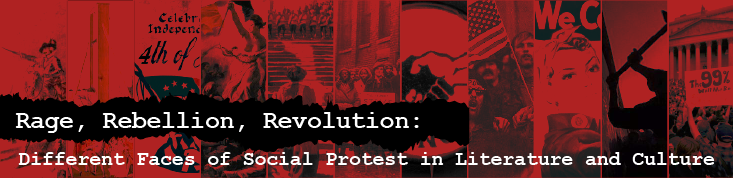
Rage, Rebellion, Revolution: Different Faces of Social Protest in Literature and Culture Conference,
which will be held in Warsaw on 24 May 2013.
The present conference seeks to address various definitions of rebellions and revolutions both in literary and cultural contexts. We hope to provide a forum for scholars of literature, history, sociology and political science. For further information please visit the conference website:
Rozstrzygnięto konkurs na najlepszą polską pracę magisterską w dziedzinie amerykanistyki w roku akademickim 2011-2012. Wyniki konkursu są dostępne na tej podstronie. Zwycięzcom gratulujemy!
Americascapes: Americans in/and their Diverse Sceneries
17-19 October 2012, PuĹawy n/Lublin, Poland
Dear Colleagues,
anticipating our meeting at the 2012 PAAS Conference, we must distract you from your academic research with unavoidable formalities concerning the conference fee and accommodation. We hope that the information included in the first circular proves self-explanatory. But if you have any questions, please do not hesitate to contact us: americascapes@gmail.com
—
Update:
Simon J. Ortiz
Prof. Simon J. Ortiz is an Indigenous poet and writer of Acoma Pueblo heritage who specializes in Indigenous Literature. Courses of study focus on decolonization of Indigenous peopleâs land, culture, and community. With literary perspective as a guide, research interests include cultural, social, political dynamics of Indigenous peoples of North, Central, and South America. Prof. Ortizâs publications in poetry, fiction, creative non-fiction, essay, and childrenâs literature reflect his literary perspective across a range of his varied, active engagement and involvement in contemporary Indigenous life and literature. His publications, research, varied experience and intellectual participation is the basis of his engaging approach to the study of involvement-engagement with Indigenous literature and its place in the canon of world literatures. Prof. Ortiz is also the founder and coordinator of the Indigenous Speakers Series sponsored by ASU Department of English and American Indian Studies.
David R. Castillo
Baroque Landscapes: The Spectacle of America
David R. Castillo is Associate Professor and Chair of Romance Languages and Literatures at SUNY, Buffalo. He published among others (A)wry Views: Anamorphosis, Cervantes, and the Early Picaresque (Indiana: Purdue University Press,2001) and Baroque Horrors: Roots of the Fantastic in the Age of Curiosities (Ann Arbor: The University of Michigan Press, 2010), Spectacle and Topophilia: Reading Early Modern and Postmodern Hispanic Cultures, ed. with Bradley J. Nelson (March 12, 2012), and is member of editorial board for Hispanic Studies. He has been awarded numerous fellowships and has been distinguished with Ersted Award for Distinguished Teaching.
Tadeusz RachwaĹ
From Coleâs Nature to Sheelerâs Factory; or on the Diminution of Man in Some American Spaces
Tadeusz RachwaĹ is Professor at University of Social Sciences and Humanities, Warsaw, Poland and Director of Anglophone Literature and Culture Department. He published among others: The Typewriter: On Jacques Derridaâs Deconstructive Theory of Literature, with T. SĹawek, (Oficyna LiteratĂłw âRĂłjâ, Warszawa 1992), The Most Sublime Act. Essays on the Sublime, ed. D. Jarrett, T. RachwaĹ, T. SĹawek (University of North London Press, 1996), Geometry, Winding Paths and the Mansions of Spirit, with D. Jarrett, T. SĹawek, (Katowice 1997), Organs-Organisms-Organisations. Organic Form in 19th-Century Discourse, ed. with T. SĹawek (Peter Lang, 2000) and Labours of the Mind. Labour in the Culture of Production (Peter Lang, 2001).
Ewa B. Ĺuczak
Eugenics and Wilderness: Reconstructing American Habitat in Nature and Culture 1900-1941
Dr. Ewa B. Luczak is Associate Professor at the Institute of English Studies, University of Warsaw, Poland and Vice President of the Polish Association for American Studies. Luczak is the author of How Their Living outside America Affected Five African American Authors: toward a Theory of Expatriate Literature (Mellen Press, 2010), co-editor of Czarno na biaĹym: Afro-amerykanie ktĂłrzy poruszyli AmerykÄ (Black on White; African Americans who Challenged America, Warsaw University Press, 2009), Mosaics of Words. Essays on the American and Canadian Literary Imagination (Institute of English Studies, 2009) In Other Words: Dialogizing Race, Ethnicity and Postcoloniality (Peter Lang, 2012) and co-editor of a Polish book series devoted to eminent American writers of the 20th and 21st century. She has been awarded numerous grants such as Fulbright Fellowship (UC Riverside 1996-7, UCLA 2007-8) and Kosciuszko Foundation Fellowship (Johns Hopkins University 2012). Currently she is working on a book project on the use of eugenic discourse in American literature and culture prior to WW II.
For more information go to the conference website:Â http://paas2012.pl/
English Department
Szczecin University, Szczecin, Poland
Southern Studies Forum Conference
SSF 2013
Performing South
12 â 14 September 2013, Szczecin, Poland
European Journal of American Studies, Special Issue 2013
American Identities in the Graphic Novel
International Postgraduate Conference
Under the auspices of Dean of the Faculty of Modern Languages and Literatures
Institute of English, University of GdaĹsk, Poland
Crime Fiction â Here and There, Now and Then
9-10 November, 2012
 We just launched our official mailing list. It means that you can receive updates straight to your inbox. You no longer have to check for news manually. All you need to do is enter your email address in the box on the right-hand side (it’s called Newsletter) and you’re set.
Note: our newsletter uses Google Groups but gmail account is not required.
Note 2: once you get an email from us you can reply to it and all group members will see your message.